Renewable Energy Powers Fertilizer Production in the Field
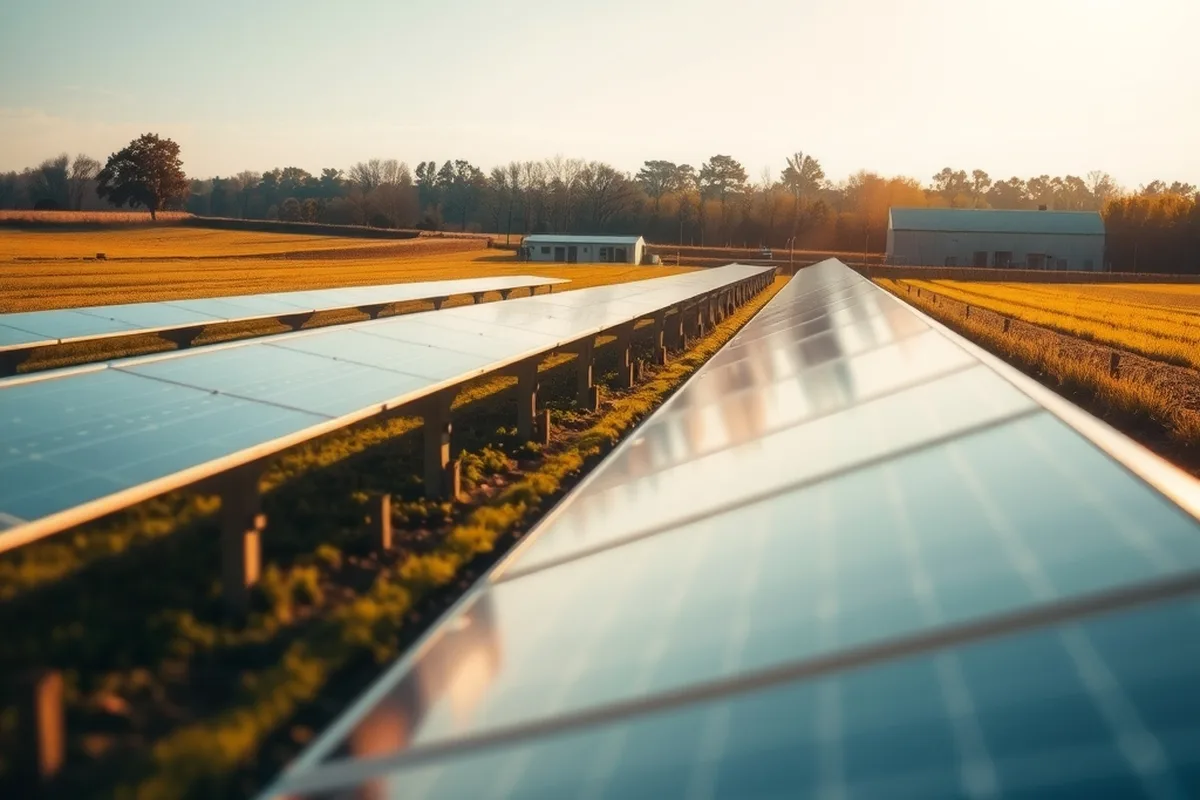
Researchers have successfully deployed a pilot system that produces urea, a widely used nitrogen fertilizer, directly in the field using renewable energy. According to Phys.org, the system is powered by biobatteries and solar panels, making it a more environmentally friendly alternative to conventional industrial methods.
The system combines three key technologies: an electrochemical reactor that produces urea from CO₂ and nitrates, a biobattery that generates electricity from microbial activity in the soil, and a photochemical reactor that converts nitrates into ammonia using sunlight.
The pilot system has been operating in an agricultural setting in Viladecans, Spain, and has continued to function despite recent periods of heavy rainfall. The researchers are studying its performance under real-world conditions to assess its technical, environmental, and economic viability.
The CONFETI project aims to demonstrate that fertilizers can be produced sustainably at the point of use, reducing the need for storage and transportation. The system's ability to convert pollutants like CO₂ and nitrates into value-added products using green energy is a key aspect of this vision.
The researchers are currently characterizing the different components and the integrated system, and identifying technical issues that need to be addressed in subsequent stages of development. Further research is needed to assess the commercial viability of the system.
The project's success has the potential to revolutionize fertilizer production, making it more sustainable and environmentally friendly. By harnessing the power of renewable energy and local resources, the system could provide a more efficient and effective way to produce fertilizers for agriculture.